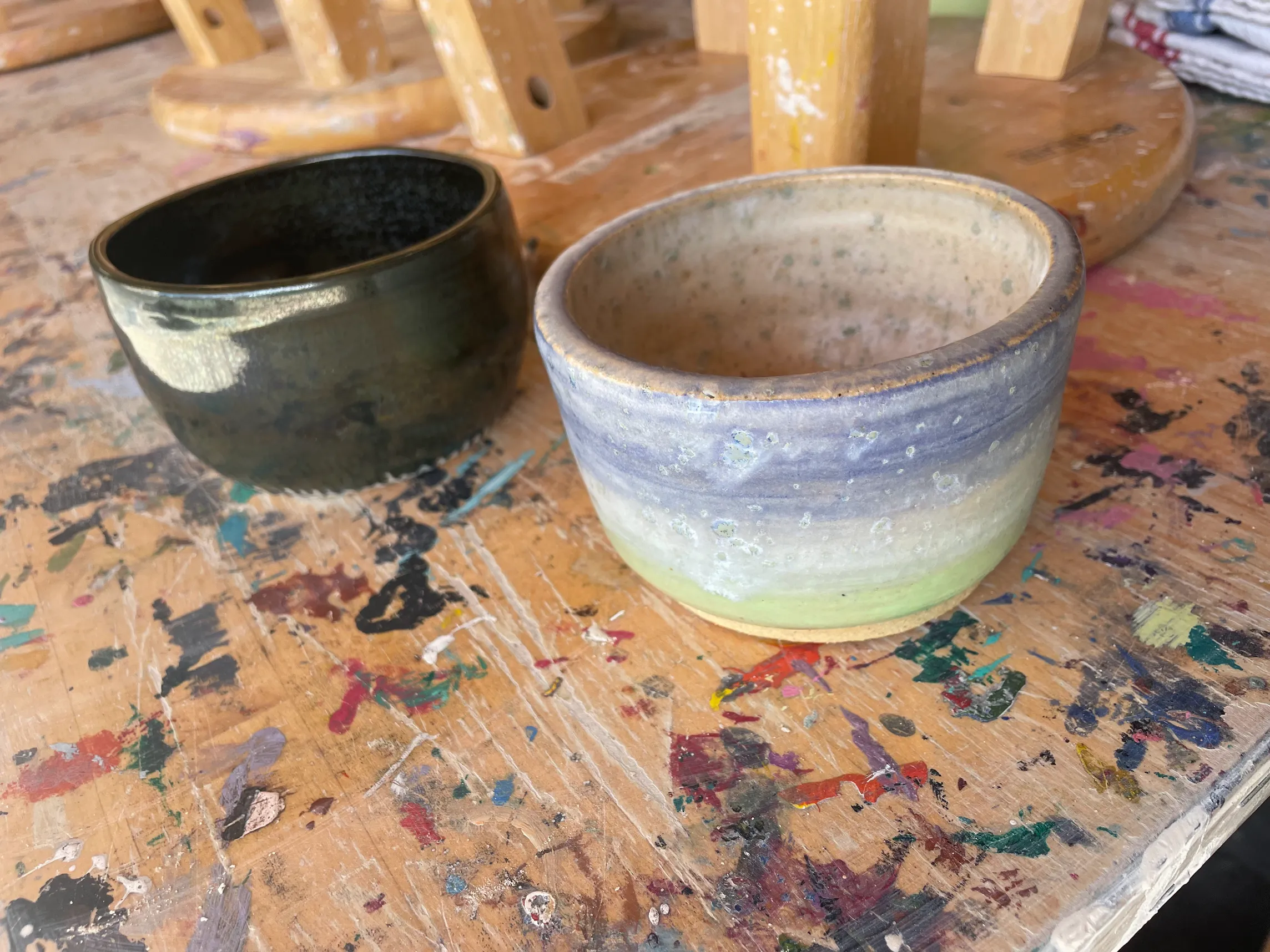
There’s something special about a handmade mug, bowl, or plate. You can feel the subtle curves, see the fingerprints or slight imperfections, and sense the care that went into making it. Unlike mass-produced dishware, handmade pottery is personal — and with that uniqueness comes a little extra responsibility. Caring for it properly ensures it lasts, looks beautiful, and continues to bring joy for years to come.
Handling your pottery
The first step in caring for pottery is simple: handle it with attention. While most stoneware and earthenware are sturdy, sudden impacts or thermal shock can cause cracks or chips. A few practical habits help:
- Avoid stacking delicate pieces directly on top of each other.
- Lift mugs or bowls by the body rather than just the handle when full.
- Be mindful of edges and rims; they’re often the most vulnerable.
Even small gestures of care make a difference in longevity.
Cleaning tips
Handmade pottery isn’t always dishwasher-friendly, though some stoneware glazes are durable enough. To be safe:
- Wash with warm, soapy water using a soft sponge.
- Avoid abrasive scrubbers that can scratch glaze.
- Rinse thoroughly to remove detergent residue, especially on lighter-colored glazes.
- For stubborn stains or tea and coffee buildup, a gentle baking soda paste works wonders.
Some potters recommend letting your pieces air dry completely before stacking to prevent moisture from seeping between them.
Temperature and thermal shock
One of the trickiest things with handmade pottery is thermal shock — sudden changes in temperature that can crack the clay. Keep these tips in mind:
- Avoid putting cold pottery straight into a hot oven or pouring boiling water into a cold mug.
- Do not use earthenware or low-fired pieces on the stovetop or in the microwave unless explicitly marked as safe.
- Gradually warming up or cooling down pieces helps prevent cracking.
Even experienced users occasionally test their patience with thermal shock, but being aware is half the battle.
Storage and display
How you store pottery matters. Shelving should be sturdy, level, and ideally lined with soft padding if stacking is necessary. If you display pieces, make sure they’re not in direct sunlight for long periods, as some glazes can fade slightly over time.
Many collectors use pottery as functional decor — mugs, bowls, and plates that double as art. Treating your pieces with respect preserves both their utility and beauty.
Embracing the patina of use
One of the joys of handmade pottery is that it ages gracefully. Slight scratches, changes in glaze sheen, or minor chips tell the story of use and become part of the piece’s character. Many potters encourage this — it’s a sign the object is loved and used rather than stored away untouched.
Repair and care
Even if a piece chips or cracks, all is not lost. Some cracks can be stabilized with careful adhesives or clay repair methods. In some cases, chipped edges can even be creatively embraced, incorporated into new designs, or turned into a conversation piece.
The key is to approach damage not as failure, but as part of the life of the object. Pottery, like people, carries its history visibly, and that’s part of its charm.
Closing thoughts
Handmade pottery isn’t just a tool for eating or drinking — it’s a little piece of someone’s creativity and care, shaped by hands and fired by fire. Treating it well preserves not just its function, but its story.
With mindful handling, thoughtful cleaning, and a little patience, your handmade pieces can last decades, becoming heirlooms or cherished everyday companions. And in caring for them, you’re participating in a tradition that goes back thousands of years: valuing craft, respecting materials, and finding joy in objects made by human hands.